Machu Picchu doesn’t have to be the whole trip. Here’s how to combine it with Rainbow Mountain, Huayna Picchu, the Inca Trail, the Amazon, Lake Titicaca or the desert coast, and how many days each combination actually needs.
Machu Picchu is usually the reason people book a trip to Peru, but it rarely has to be the only thing on the itinerary. Depending on how many days you have, it’s possible to pair the Inca citadel with the mineral-striped slopes of Rainbow Mountain, the steep peak of Huayna Picchu, a multi-day hike on the Inca Trail, Amazon wildlife in Tambopata or Manu, the desert dunes of Ica and Paracas, or Lake Titicaca’s floating islands.
The right combination depends less on personal taste and more on three practical constraints: how many days you have, how much altitude gain you can comfortably handle, and how far apart the destinations actually are. This guide answers that planning question directly, with comparison tables and sample itineraries. For the full destination-by-destination detail, we link out to our dedicated guides throughout this page focuses on how to combine them.
Quick answer: the most popular combinations with Machu Picchu are Rainbow Mountain (adventure, 6+ days), Huayna Picchu (a steep add-on hike inside Machu Picchu itself, no extra days needed), the Sacred Valley (requires little additional travel time, since most Machu Picchu routes already pass through it), the Inca Trail (a multi-day trekking alternative to the train, 2-5 days), the Amazon at Tambopata or Manu (7+ days), Ica-Paracas (9+ days), and Lake Titicaca (10+ days). Cusco and the Sacred Valley belong in every itinerary regardless of what else you add.
Machu Picchu
Machu Picchu + Rainbow Mountain
Machu Picchu + Huayna Picchu
Machu Picchu + Machu Picchu Mountain
Machu Picchu + the Sacred Valley
Machu Picchu + Inca Trail
Machu Picchu + Tambopata (Amazon)
Machu Picchu + Manu National Park
Machu Picchu + Ica and Paracas
Machu Picchu + Lake Titicaca
Machu Picchu Combinations at a Glance
Before the day-by-day detail, here is how the nine most common combinations compare on distance from Cusco, minimum days needed, and physical difficulty.
Combination
Access from Cusco
Min. extra days
Difficulty
Best for
Sacred Valley
1-1.5 hrs by road (on the way to Machu Picchu)
0 (built into most routes)
Easy
History and Inca engineering, first-timers
Huayna Picchu
Inside the Machu Picchu archaeological park
0 (same-day add-on ticket)
Moderate-hard (steep, exposed)
Dramatic photos, adventurous hikers
Machu Picchu Mountain
Inside the Machu Picchu archaeological park
0 (same-day add-on ticket)
Moderate (long, less exposed)
Panoramic views, longer hike without heights exposure
Rainbow Mountain
~3.5-4 hrs by road, separate day trip from Cusco
1
Hard (altitude, ~5,020 m/16,470 ft summit)
Adventure travelers, landscape photography
Inca Trail (Short, 2D/1N)
Starts near km 104 of the rail line
1-2
Moderate
A taste of trekking without full camping
Inca Trail (Classic, 4D/3N)
Starts at km 82, Ollantaytambo
3-4
Hard (altitude, multi-day camping)
Trekkers who want the full historic route
Tambopata (Amazon)
~35 min flight, Cusco–Puerto Maldonado
3-4
Easy (some heat/humidity)
Accessible Amazon wildlife on a shorter trip
Manu National Park
Overland + river, 1-2 days each way
5-6
Moderate (long transit)
Remote, high-biodiversity Amazon
Ica and Paracas
~4-5 hrs by road from Lima (opposite side of the country from Cusco)
2-3
Easy
Desert dunes, Ballestas Islands wildlife, contrast with the Andes
Rainbow Mountain (Vinicunca) and Machu Picchu are Peru’s two most-searched destinations, but they sit in different directions from Cusco and are not visited back-to-back on the same day. Machu Picchu is reached through the Sacred Valley and Aguas Calientes; Rainbow Mountain is a long day trip southeast of Cusco. Both use Cusco as their base, which is why most itineraries return to the city between the two.
A workable order is: acclimatize in Cusco, see the Sacred Valley, visit Machu Picchu, return to Cusco to rest, then do Rainbow Mountain last by that point you’ve had several days at altitude, which makes the ~5,020 m (16,470 ft) summit noticeably easier than attempting it right after landing. Our complete Rainbow Mountain hiker’s guide covers the Vinicunca-versus-Palccoyo route choice and altitude prep in detail. To book both in one trip, see our Rainbow Mountain and Machu Picchu 3D/2N tour, or our 6-day and 8-dayCusco, Machu Picchu and Rainbow Mountain packages for a fuller itinerary that also adds Lima.
Vinicunca or Palccoyo?Vinicunca is the classic, more strenuous hike; Palccoyo is a gentler alternative with similarly colorful ridges and less altitude gain, and sees fewer crowds. OurPalccoyo touris worth considering if you want the “seven colors” landscape without the harder trek.
Rainbow Mountain
How Far Is Rainbow Mountain From Machu Picchu?
There is no practical direct route between the two. Rainbow Mountain lies southeast of Cusco, while Machu Picchu is reached northwest of the city through the Sacred Valley and Aguas Calientes different roads, in opposite directions. Almost every traveler returns to Cusco between the two rather than trying to connect them directly.
Machu Picchu, Sacred Valley and Rainbow Mountain
Travelers with six or more days should route the Sacred Valley before Machu Picchu rather than as a separate detour: Pisac and Ollantaytambo sit on the natural road between Cusco and Machu Picchu Pueblo, so visiting them costs almost no extra travel time.
A practical six-day sequence is Cusco, then the Sacred Valley, then Machu Picchu Pueblo, then Machu Picchu itself, then back to Cusco to rest, then Rainbow Mountain on the last full day. Our Cusco and Sacred Valley travel guide covers Pisac, Ollantaytambo, Chinchero, Moray and the Maras salt mines in depth, and the 6-day and 8-day packages already combine all three.
Sacred Valley TourValle Sagrado de los IncasChinchero
Machu Picchu and Huayna Picchu (or Machu Picchu Mountain)
Huayna Picchu is the steep, cone-shaped mountain behind the citadel in almost every classic photo; Machu Picchu Mountain is a separate, longer hike on the opposite side of the site. Neither requires extra travel days; both are same-day add-ons inside the Machu Picchu archaeological park but each needs its own ticket tied to a specific entrance route, so you cannot decide on arrival.
Under Peru’s current circuit system (three circuits, ten routes, in effect since June 2024), Route 1-A is the Machu Picchu Mountain route and Route 3-A is the Waynapicchu Mountain route buying a standard entrance ticket does not automatically grant access to either mountain. See the table below for the full circuit breakdown.
Huayna Picchu
Machu Picchu Mountain
Ticket route
Route 3-A (Circuit 3)
Route 1-A (Circuit 1)
Character
Steep, narrow Inca steps, more exposed
Longer, wider trail, less exposed
Best for
Adventurous hikers, the classic “postcard” view down onto the citadel
Broader panoramic views across the surrounding mountains
Availability
Limited daily capacity, sells out first
More availability, but still limited
Huayna Picchu or Machu Picchu Mountain: Which Should You Choose?
Neither option is objectively “better” ; it depends on your comfort with exposed heights versus a longer but gentler climb. Our own Huayna Picchu hike guide covers exact permit numbers, current pricing and whether it’s worth it in more depth than we can fit here.
Book early:because both mountain tickets are capped well below the standard entrance capacity, they are usually the first thing to sell out for any given date, often weeks before the general Machu Picchu ticket does.
Huayna PicchuMachu Picchu Mountain
Machu Picchu and the Inca Trail
Choosing the Inca Trail instead of the train changes what kind of trip you’re taking: instead of arriving at Machu Picchu directly, you spend two to five days walking sections of the historic Inca road network through cloud forest and mountain passes before entering through the Sun Gate on the final morning.
The Classic Inca Trail (4D/3N) is the traditional full route and requires booking permits several months ahead, since Peru’s government caps daily trekker numbers. Travelers with less time can take the Short Inca Trail (2D/1N), which starts around kilometer 104 and reaches Machu Picchu the same way without the multi-night camping. Our Ultimate Inca Trail and Machu Picchu Guide covers permit timing, acclimatization and route options from 2 to 5 days; to book, see the Short Inca Trail 2D/1N, Classic Inca Trail 4D/3N, or the more relaxed Inca Trail 5D/4N.
Choose the train instead if you have limited vacation time, are traveling with young children or anyone with mobility limitations, or simply prefer not to camp for several nights at altitude both paths end at the same UNESCO World Heritage citadel.
Machu PicchuInca Trail to Machu Picchu
Machu Picchu and the Amazon: Tambopata or Manu
Pairing Machu Picchu with the Amazon is Peru’s strongest contrast trip: Inca stonework and cloud forest one week, tropical rainforest and river wildlife the next. Southern Peru gives you two realistic options from Cusco, and they are not interchangeable.
Machu Picchu and Tambopata or Manu: Which Amazon Destination Is Better?
Tambopata is the better choice if convenience matters most: it’s a 35-minute flight from Cusco, needs only 3-4 total days, and still delivers reliable wildlife viewing. Manu is the better choice if remoteness and biodiversity matter more than convenience it’s Peru’s more pristine, less-visited Amazon reserve, but it costs 5-6 days round-trip because of the overland and river travel involved. Neither is “better” in absolute terms; they suit different trip lengths and priorities.
Tambopata
Manu National Park
Access from Cusco
~35-minute flight to Puerto Maldonado, then a short boat ride to your lodge
Overland and river travel, typically 1-2 days each way
Minimum trip length
3-4 days total (1 flight day + 2-3 lodge days)
5-6 days total, mostly in transit and at the lodge
Best time to visit
Roughly May-October (drier, easier river access, wildlife concentrates near remaining water sources)
April-November overall; May-September is best for the park’s high-Andean sector
Wildlife highlights
Macaw and parrot clay licks, giant river otters, caimans, oxbow lakes
Similar wildlife in a much larger, less-visited protected area; higher chance of jaguar sightings, but no guarantee
Best for
Travelers who want a convenient, shorter Amazon extension
Travelers prioritizing remoteness and biodiversity over convenience
Machu Picchu and Amazon Tour Packages: Tambopata and Manu Options
Both reserves sit within Madre de Dios and require visiting through an authorized operator independent access isn’t realistic for either. For a Cusco-and-Machu-Picchu trip with a Tambopata extension already built in, see our 10-day or 11-day Peru packages. Prefer to book the Amazon on its own, flying round-trip from Cusco without the rest of a multi-region trip? Our standalone 3-day,4-day and 5-day Tambopata packages do exactly that, and our 3-day, 4-day, 5-day and 6-day Manu packages cover the more remote option at each length. For where to stay, see our guide to the best hotels and lodges in Tambopata.
Local tip:pack light, breathable long sleeves, insect repellent and a rain layer regardless of season, and check with a doctor about yellow fever vaccination before traveling to Madre de Dios.
TambopataTambopataMachu Picchu
Machu Picchu and Ica-Paracas
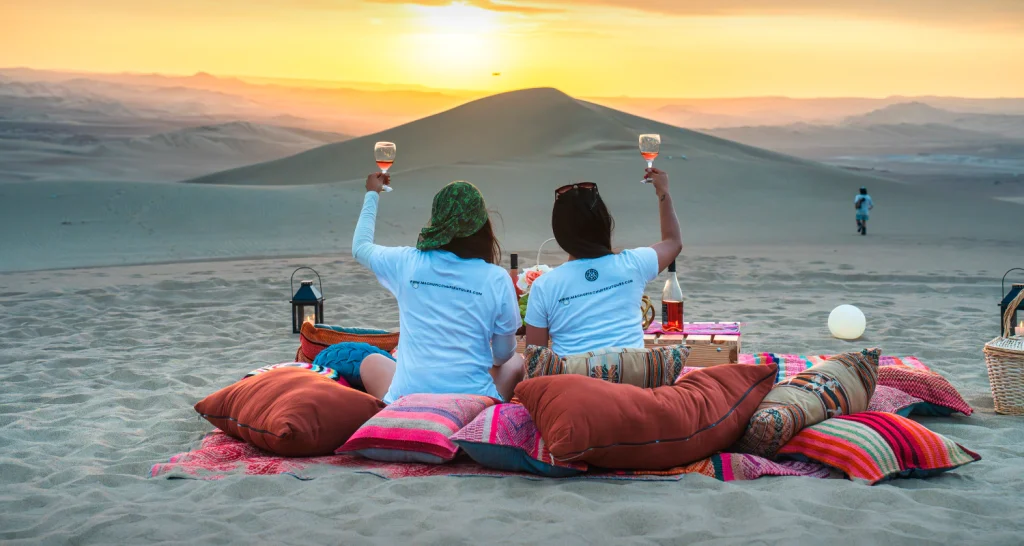
Ica and Paracas sit on Peru’s desert coast, on essentially the opposite side of the country from Cusco this is a trip extension built around Lima, not Cusco. The Ballestas Islands (sea lions, Humboldt penguins and seabirds by boat), the Huacachina oasis (dune buggies and sandboarding), and the Nazca Lines are the three anchor experiences.
Travelers with ten or more days can extend southeast from Cusco to Puno and Lake Titicaca, reached by a roughly one-hour flight or a six-to-seven-hour scenic road/rail journey. The Uros floating islands and Taquile Island are the two must-see stops, and the appeal here is cultural depth rather than another physical challenge, a good fit for travelers who’ve already done one demanding hike earlier in the trip.
Every itinerary on this page already includes Cusco and, in most cases, the Sacred Valley; they aren’t really an “extra” combination so much as the base every other destination is built on top of.
Spending at least two nights in Cusco before any hike also helps with altitude acclimatization, which matters more to your trip’s success than almost any other single planning decision. If your time is genuinely limited, our compact 4-day Sacred Valley and Machu Picchu package covers just this core.
Sacsayhuaman CuscoVale Sagrado dos IncasSacred Valley TourMachu Picchu
Best Machu Picchu Combination by Trip Length
Once you know how many days you have, the shortlist of realistic combinations narrows quickly.
Not sure which combination fits your available days? Our Cusco-based travel team can help you build a Peru itinerary around Machu Picchu, Rainbow Mountain, the Amazon, Lake Titicaca or the coast.
When Is the Best Time to Combine Machu Picchu With Other Destinations?
May through October is the Andean dry season and the easiest window for Machu Picchu, Rainbow Mountain, the Inca Trail and Tambopata alike; clearer skies, less rain, but also the busiest and most expensive months to book. The desert coast around Ica and Paracas can be visited comfortably year-round, since it sits in a near-rainless climate regardless of season.
For 2026 specifically, Machu Picchu’s official daily visitor cap rises to 5,600 visitors during high-demand dates June 19 through November 2, plus Easter Week and the New Year holidays compared with 4,500 per day during the rest of the year. Higher capacity doesn’t mean every ticket type stays available, though: Huayna Picchu, Machu Picchu Mountain and Inca Trail permits are capped separately and routinely sell out weeks or months ahead of the general entrance ticket.
Rainbow MountainMachu Pichcu With Kids
Which Machu Picchu Circuit Should You Choose?
Since June 2024, Machu Picchu has operated under three official circuits grouping ten routes, replacing the older, less structured system. Choosing the right one before you book determines whether a mountain hike is even possible on your ticket.
Circuit
Focus
Key route
Circuit 1 — Panoramic
Upper terraces and wide views; includes the Machu Picchu Mountain hike
Route 1-A: Machu Picchu Mountain
Circuit 2 — Classic
The core archaeological sector most first-time visitors picture
Route 2-A: main designed route through the citadel
Circuit 3 — Royal
Lower sector, Temple of the Moon; includes the Huayna Picchu hike
Route 3-A: Waynapicchu Mountain
First-time visitors who mainly want the classic archaeological experience without an add-on mountain hike typically choose Circuit 2. Photographers and mountain hikers should decide between Circuit 1 (Machu Picchu Mountain, broader panoramas) and Circuit 3 (Huayna Picchu, the iconic steep peak) based on the comparison earlier in this guide.
Discover Machu Picchu and experience the best of Peru.
Day 1: Arrive in Cusco, rest and acclimatize. 2 Day : Sacred Valley (Pisac or Ollantaytambo). 3 Day : Travel by train to Machu Picchu Pueblo. Day 4: Machu Picchu. Day 5: Return to Cusco, rest. 6 Day : Rainbow Mountain full-day tour. Day 7: Departure. Closest match: our 6-day package, extendable by a rest day.
10-Day Machu Picchu and Amazon Itinerary
Day 1: Lima. 2Day : Fly to Cusco. 3Day : Sacred Valley. 4Day : Machu Picchu Pueblo. 5 Day : Machu Picchu. 6 Day : Cusco. 7 Day : Fly to Puerto Maldonado. Days 8-9: Tambopata lodge activities. Day 10: Return flight. This matches our 10-day Lima, Cusco, Machu Picchu and Amazon package almost exactly.
12-Day Machu Picchu, Rainbow Mountain, Ica and Paracas Itinerary
Arrive in Lima on Day 1. Travel to Paracas on Day 2. Explore the Ballestas Islands and Huacachina on Day 3. Return to Lima on Day 4. Fly to Cusco on Day 5. Visit the Sacred Valley on Day 6. Travel to Machu Picchu Pueblo on Day 7. Explore Machu Picchu on Day 8. Discover Cusco on Day 9. Hike Rainbow Mountain on Day 10. Enjoy a free day in Cusco on Day 11. Departure is on Day 12.Build this by combining our Ica and Paracas 3D/2N tour with our 8-day Cusco, Machu Picchu and Rainbow Mountain package.
Machu picchuBallestas Islands
Frequently Asked Questions
What else should I visit with Machu Picchu?
The Sacred Valley is the easiest addition, since most routes already pass through it. Rainbow Mountain, Huayna Picchu, the Inca Trail, Tambopata and Lake Titicaca are the next most popular options, depending on your available days.
Is Rainbow Mountain close to Machu Picchu?
No. They are reached from Cusco in different directions and are not visited on the same day most itineraries return to Cusco between the two.
Should I do Machu Picchu or Rainbow Mountain first?
Machu Picchu first is usually easier, since it gives your body extra days at altitude before Rainbow Mountain’s higher, more strenuous hike.
Is Huayna Picchu or Machu Picchu Mountain Better?
Neither is universally better. Huayna Picchu is shorter but steeper and more exposed, with the classic postcard view; Machu Picchu Mountain is longer but gentler, with wider panoramas. Choose based on your comfort with heights versus a longer climb.
Do Machu Picchu tickets include Huayna Picchu?
No. Huayna Picchu requires its own Route 3-A ticket, purchased separately and tied to a specific entry time, a standard Machu Picchu entrance does not include it.
How many days do I need for Machu Picchu and Tambopata?
Plan on at least seven days total, though eight to ten is more comfortable and allows two to three full days at the lodge rather than a rushed overnight.
Can I combine Machu Picchu, Paracas and Huacachina?
Yes. Since Ica and Paracas sit on the opposite side of the country from Cusco, route them through Lima rather than trying to connect them directly to Cusco. Allow nine to twelve days if you want Cusco and the Sacred Valley as well.
What is the best Machu Picchu combination for first-time visitors?
Cusco, the Sacred Valley, Machu Picchu and Rainbow Mountain is the strongest first-trip combination; it covers history, archaeology and mountain scenery while staying within the Cusco region, without the logistics of an Amazon or coastal extension.
How many days do you need for Machu Picchu and Rainbow Mountain?
Plan on at least six days: enough time in Cusco to acclimatize, a day for the Sacred Valley, a day for Machu Picchu, a rest day back in Cusco, and a full day for the Rainbow Mountain hike itself.
Can you visit Machu Picchu and Rainbow Mountain on consecutive days?
Technically yes, but it isn’t ideal. Machu Picchu involves significant transport logistics and Rainbow Mountain requires an early start and a strenuous high-altitude hike a rest day between the two makes for a noticeably better experience.
What is the best Peru itinerary that includes Machu Picchu?
For most first-time travelers, an 8-12 day itinerary combining Lima, Cusco, the Sacred Valley, Machu Picchu and one adventure or extension day (Rainbow Mountain, Lake Titicaca, or an Amazon add-on) covers the country’s highlights without over-packing the schedule. See the trip-length table above to match a package to your exact number of days.
Huacachina Dessert
Plan Your Machu Picchu and Peru Adventure
Deciding how many destinations to combine, and in what order, matters more to a good trip than picking a single “best” one. Machu Picchu Peru Tours can help you organize the right itinerary based on your available time, interests, and travel style.
Our Cusco-based team builds ready-made Peru tour packages around exactly these combinations, from a compact 2-day Sacred Valley and Machu Picchu trip up to an 11-day tour covering the Amazon, the coast and the Andes. Browse our full range of Peru tour packages to find the itinerary that fits your time and priorities.
0 Reviews
Todavía no hay reviews. ¡Sé el primero en dejar uno!